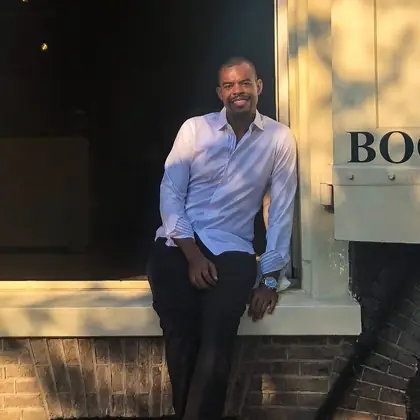

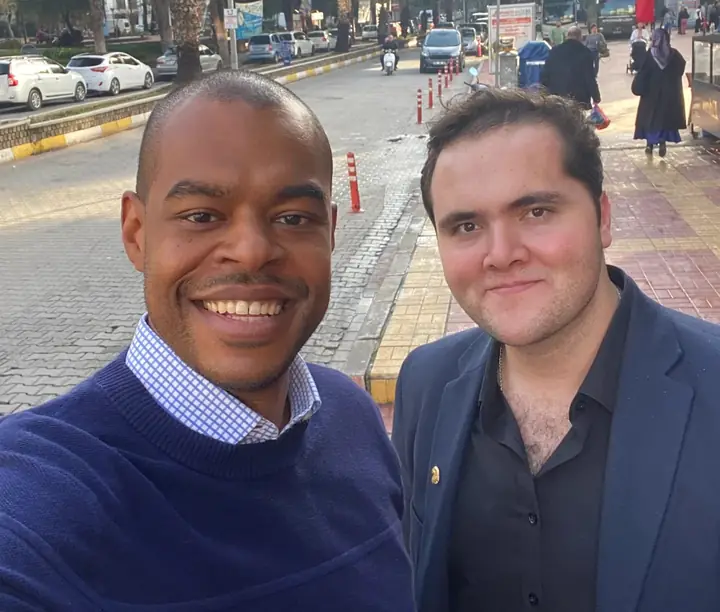
An outlier · Freddie Brown 3rd

I want trusting AI with your money to feel ordinary.

  1. Built

    I bootstrapped a $50 million business in entertainment. Covid pushed me to tackle a harder problem.

  2. Searched

    Bitcoin & AI taught me to think in decades. So we figured out how to put human-like intelligence inside an AI.

  3. Answered

    That allowed us to attack what is scaring everyone about AI agents, and built an answer for AI that moves money: Okren.

Freddie Brown
Freddie Brown 3rd
Georgetown University
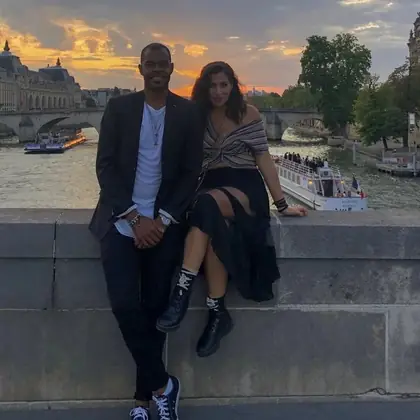
Life goals photo
Life goals

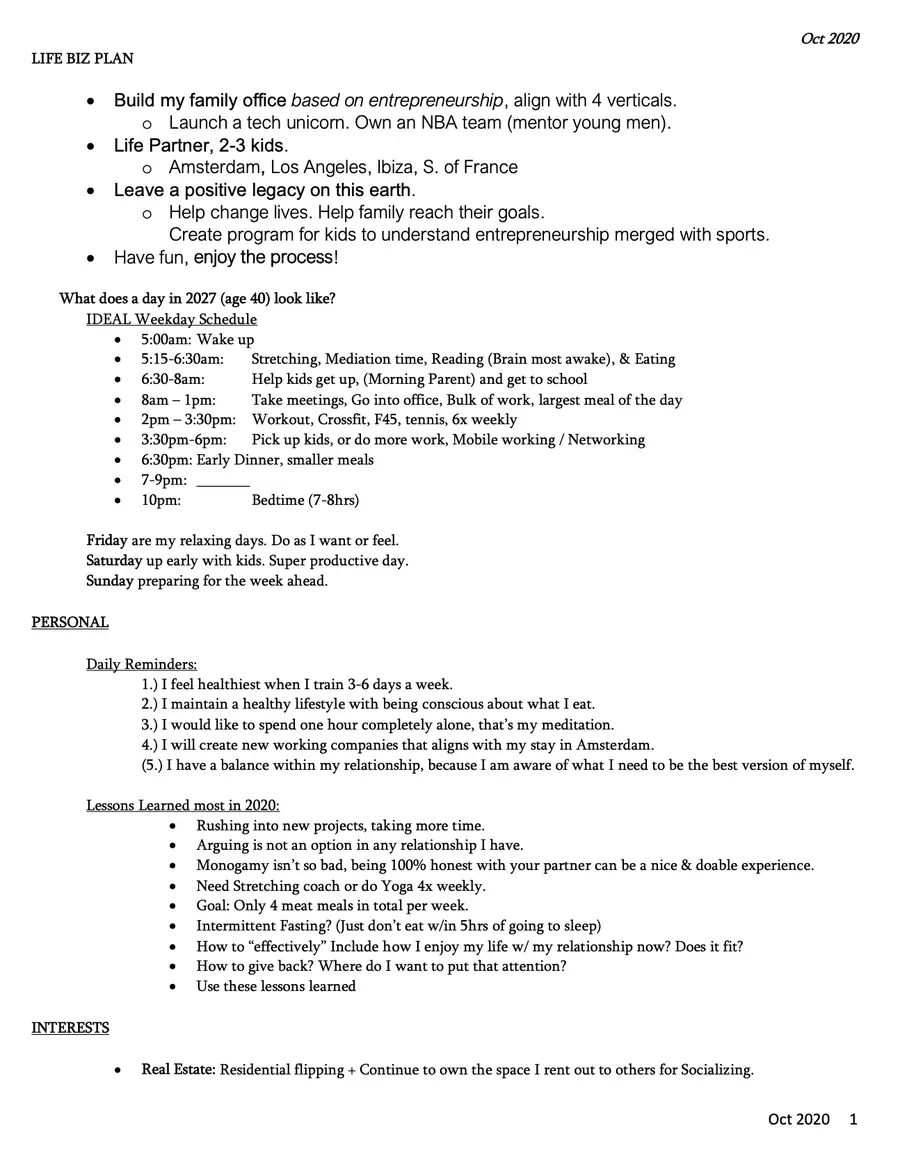
Have you ever created a business plan for your life? Here is mine.

01

Multi-jurisdictional family office

02

Family and kids

03

Positive legacy

04

Enjoying the process

The plan over time

How to think in decades.

October 2020 is when I started writing down my plan bi-annually to compare my growth and make sure I am still on course.

The original October 2020 life business plan
Interests

9 Things I Keep Thinking About.

1–3 of 9

From the interests list in my plan. Click any card to open it.

At a glance

Three Periods.

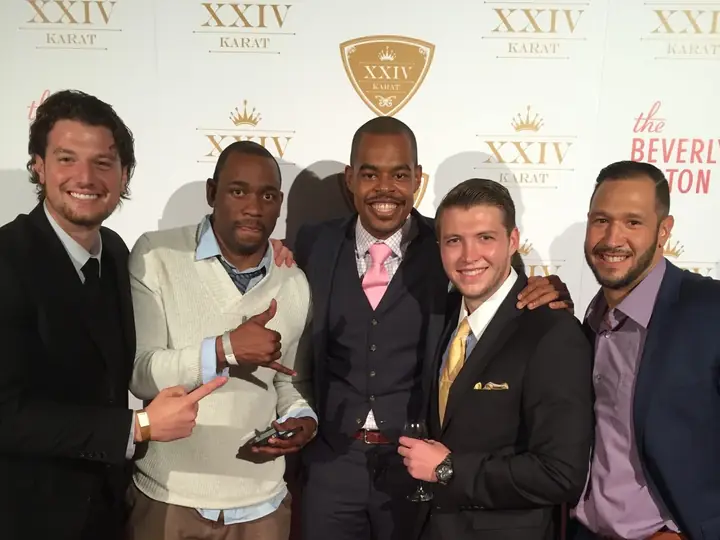
2006–2020 In-Person Experiences. At 18, I bootstrapped what became the number one college party in America, reaching about $6 million ARR while finishing Georgetown University McDonough School of Business. By 2019, the business was doing about $11M ARR across music events and talent. In 2020, COVID shut down three of my businesses overnight.
2006–2020 photo
2021–2026 Tech. I angel invested, started and built multiple businesses, and spent about a year and a half finding product-market fit for Gunner.
2021–2026 photo
Today Persistent Intelligence. OA is the research lab. Gunner is the operating system we built. Okren is the commercial proof, built around the authority problem that appeared once AI action became consequential.
Today photo
Before the plan

I Was Doing This Before I Knew the Word.

Before I knew the word entrepreneur, I was already doing it.

The vending machine

The vending machine at school kept rejecting dollar bills. Almost everything in it cost 75 cents, and most kids only had a dollar. So I started showing up with about twenty dollars in quarters. Give me your dollar, take three quarters. Everybody was happy. I kept a quarter every time.

It worked until the school called an assembly about it.
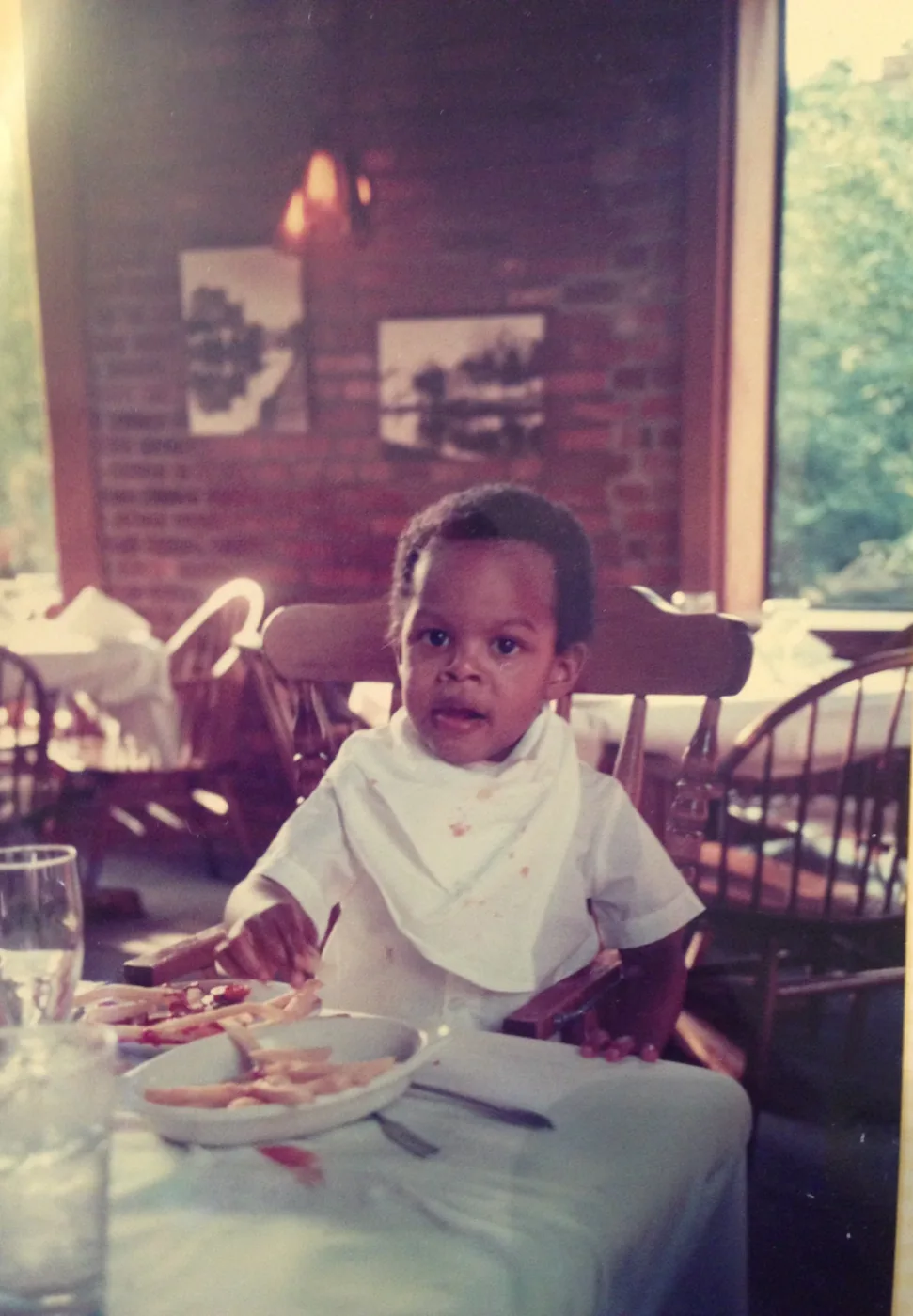
The CD burner

Around thirteen, I got a CD burner. I'd see mix CDs advertised on TV, copy down the track lists, find the songs, burn my own versions, and sell them.

Nobody taught me either one. I saw something broken or missing and wanted to see if I could make it work. My parents gave me what I needed and more. I still wanted money that was mine, because I wanted the independence that came with it.

“If everybody's going left, I just want to know what's on the right. I want the option.”
Freddie as a toddler at a restaurant table
Where it came from

2 Parents. 2 Different Lessons.

My father

Work. Discipline. Try anyway.

My father taught me through action. Basketball was part of how he did it: up at 5 a.m. to train, a full school day, practice after, homework, repeat.

His other lesson is the one I took most: he will fail ten times before most people try once. I took that with me. I am willing to try something I believe in before I know whether it will work.

Father and I
My mother

Education first.

My mother and her side of the family put education first, above sports and everything else. School did not come easily to me, especially standardized tests. I could work twice as hard just to get a C.

It taught me I can keep going at something that does not reward me right away.

Mother and I
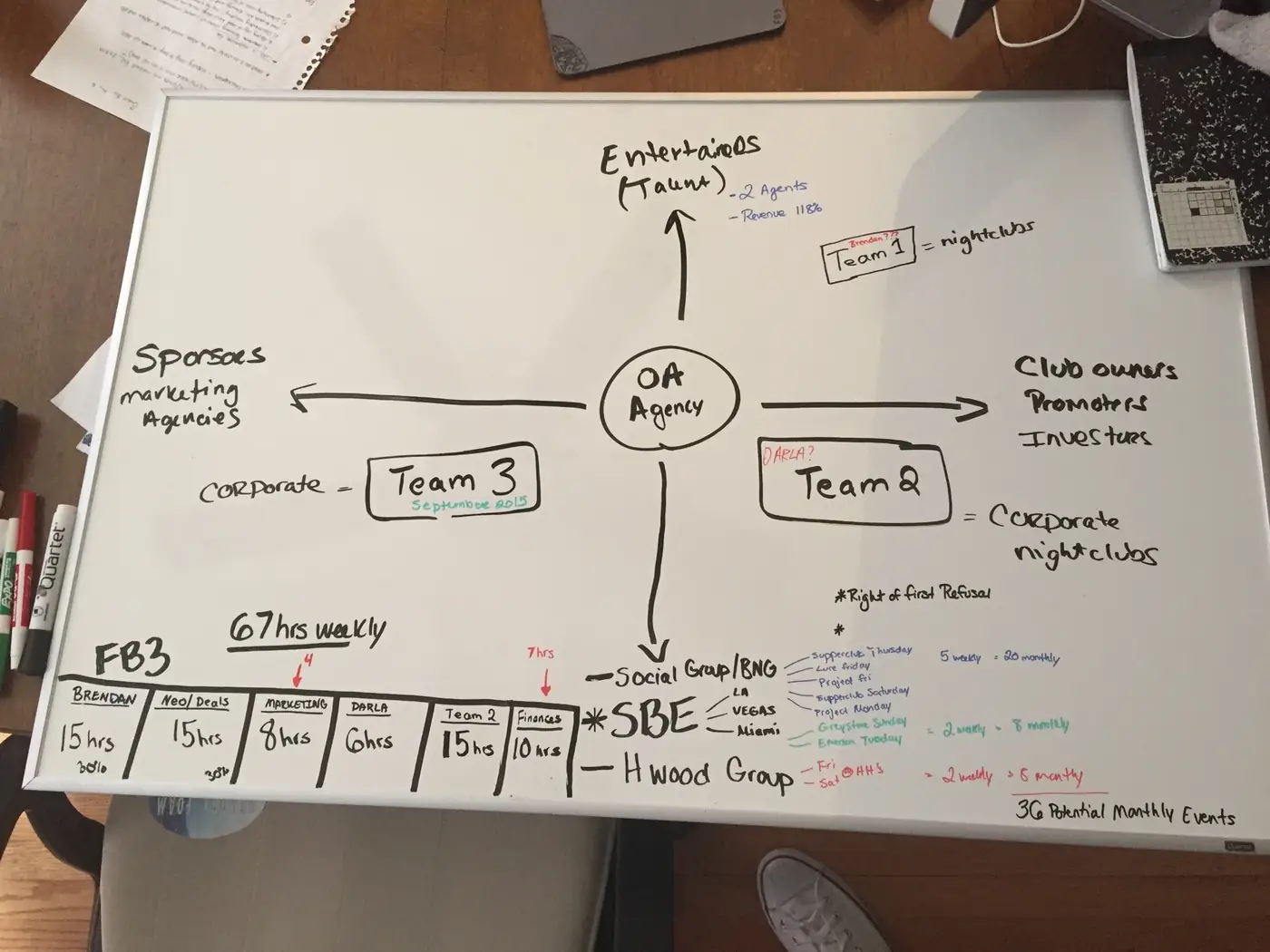
OA Agency planning whiteboard
What I'm good at

I Take Things From Idea to Real.

By eighteen, I knew I was going into business.

Three friends and I put up our own money for an event in college. We doubled our money on the first one, kept going, and turned it into a real events business.

That is where I learned one of the things I am best at: bringing different people and moving parts together around one outcome.

Events looked nothing like AI. The underlying job was more similar than it sounds. Customers, talent, partners, timing, money, logistics, people — all of it had to come together and actually work.

ZERO → ONE

I do not need to be the person who invented every piece. My strongest work is taking something from possibility to operating reality.

Working style photo
How I work

Independent. Curious. Relentless.

Independent

I want to make my own call.

When everybody is going one way, I do not need to go the other way. I want to understand why they are going there before I decide. The vending-machine story is the simplest version of it.

Curious

I like people who are different from me.

Most of my friends are a little strange. I mean that as a compliment. The best thing someone can do for me is ask me a question I have never thought about before.

Relentless

I seek out hard problems.

How do you know what you’re capable of without trying new things? I left a field where I knew how to win and moved into one where I did not have the background, repetition, or certainty. I am here for the next two decades.

The tension in how I decide

I Broaden Before I Narrow.

I enter through movement of mind. Language, perception, interpretation, speed, wit, and mental agility shape how I explore an idea. I can see five angles before someone has finished explaining one.

I move. I pivot. I reframe. I question the question. I turn an idea around to find the contradiction inside it. I am fascinated by how thought becomes language, how thought shapes identity, and how the same reality can look different from another point of view.

That movement is how I get closer to what is true. I broaden to understand what I might be missing. Then I narrow, make the call, and move. That speed can also make me too directive, so I need people willing to challenge me when I have missed something.

Five rules I work by

How I Turn the Pattern Into Decisions.

01

Think enormously. Execute narrowly. Let reality correct the path.

Dream as large as the problem. Start with the next concrete step. Change when the world says so.

02

Don't rush into new projects.

Curiosity opens doors. Discipline decides which one deserves years.

03

Partner only with people who live in the pursuit of excellence.

I use different minds and different tools to widen what I can see. The decision is still mine.

04

Be unreasonable in all things, as long as it's for the greater good.

Ambition is only useful when it's pointed at something worth the cost.

05

Capability does not create authority.

The thing that made this concrete for me was intelligent systems operating around real money. It's why Okren exists.

Decisions photo
What I got wrong

Decisions I'd Make Differently.

I make mistakes constantly. The useful ones are the ones that change how I operate.

One

I stayed too long.

After COVID, I paid my team for a full year because I believed the business would come back. It did not come back in time.

Loyalty mattered to me, but belief in a recovery kept me committed longer than reality justified. I learned that persistence and waiting are not automatically the same thing.

Two

I handled a partnership badly.

I put about $150,000 into Repply, a CrossFit rep-counting app, and I damaged my relationship with the developer. That one is on me.

I also served as interim CEO and worked through more than 200 customer interviews. Repply went on to raise a $2 million Series A and was later sold to a competitor. Those outcomes do not change the mistake I made in the developer relationship.

I also put about $200,000 into a restaurant venture that never opened. In both cases, I moved before I had looked long enough.

Three

I go too far into one objective.

When I believe in something, my intensity can turn into control and overcommitment. Balance gets worse. I become too involved. Decisions route through me that should eventually belong to someone else.

The answer is not to become less ambitious. It is to build better structure around the ambition.

And one I got right

I walked away from Memberra.

I still liked the product. I still would have used it. I walked away because I no longer believed the opportunity matched the time horizon I wanted.

I want to be persistent about the objective, not sentimental about the vehicle.

Eighteen months. Five engineers. In the App Store. About 2,000 app members. Five paying founder-led venues. Then I stopped.

“Rushing into new projects, taking more time.”Lessons learned, Oct 2020
“Don't rush into new projects, take your time, enjoy the process/quality.”Lessons for 2021
Health

Discipline You Can See.

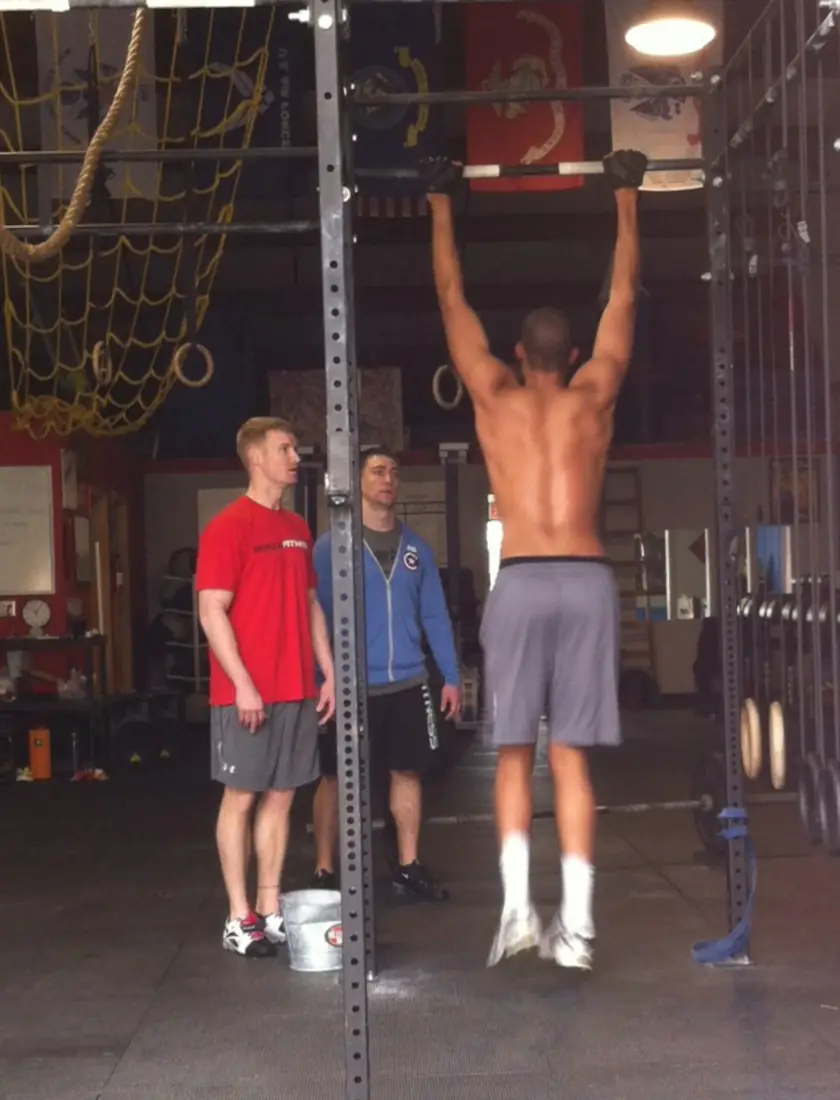
Health has its own line in my plan, next to the work. I do CrossFit, I lift, and I know exactly where I stand. I like knowing that discipline exists somewhere I can measure it.

Wim Hof breathing and advanced neurofeedback are how I work on the mental side.

CrossFitStrength trainingWim Hof breathingNeurofeedback
Freddie doing pull-ups in a gym
Reading list

What's on the Shelf.

Fifteen from the reading list in my plan.

MasteryRobert Greene
BE 2.0Jim Collins & William Lazier
The Infinite GameSimon Sinek
EssentialismGreg McKeown
The AlgorithmJon McNeill
Never Split the DifferenceChris Voss & Tahl Raz
The Culture MapErin Meyer
The Algebra of WealthScott Galloway
Build the Life You WantArthur C. Brooks & Oprah Winfrey
Prisoners of GeographyTim Marshall
The Fourth TurningWilliam Strauss & Neil Howe
EducatedTara Westover
The Devil You KnowCharles M. Blow
The Way of the Superior ManDavid Deida
The Immortality KeyBrian C. Muraresku
Values

Nine Values, in My Words.

The nine on my plan. A few of them now have stories attached.

01

Family

The most important thing in life. It brings me the most joy: being, learning, furthering, developing.

02

Curiosity

I get this from my father. I'm curious about what I don't already know.

I deliberately seek out people who see the world differently from me.
03

Honesty

Living with an open heart. No lying, no point. Having the vocabulary to say what's really on my mind.

04

Discipline

One of the most important traits I learned from my family. It guided me to where I am now.

Five a.m. basketball with my father.
05

Generosity

Add value to others and it always comes back to you.

Sometimes somebody just needs you to sit there and listen.
06

Productivity

One of my life's missions: to be a very productive human. I'm most happy when I am.

07

Adventurous

I want to try almost everything once. Life begins at the end of our comfort zone.

08

Positive energy

My guiding force these days. I stay away from negative energy.

09

Respect

Treat everyone the way you want to be treated. Simple.

What I'm doing now
Why this problem

I will spend the next two decades on it.

I expect AI to become far more capable. I do not think increasing capability should automatically mean increasing authority.

Persistent Intelligence is the larger line of work.

Okren is the separate authority problem that appeared once intelligent action became consequential.

Betting photo
What I Am Betting On

The models will change. The work should survive them.

I believe AI will become far more capable, and the models themselves will keep changing. The valuable thing will be the objectives, memory, knowledge and responsibility that carry through those changes.

Gunner is our answer to the operating problem. Okren is our answer to the separate question of human authority over AI-initiated financial action. My bet is that both responsibilities become infrastructure as AI takes on lasting work.

I am not trying to build around one model cycle. I am trying to build what the next cycles will need.

What I'm still learning

What's Unproven.

Okren’s first paying external customer is evidence that somebody will pay for this and use it. It is not proof of a repeatable company.

The company

Repeatability.

Can a bounded first deployment expand into more workflows, more customers and repeatable institutional adoption?

The organization

Founder independence.

Can I build strong operators who own their areas so the company becomes less dependent on me being in every loop?

The thesis

Durability.

Which parts of Persistent Intelligence remain durable responsibilities, and which parts get absorbed into the broader AI stack?

Me

Intensity without bottleneck.

Can I keep the intensity that helps me build while putting enough structure around it that it stops becoming the constraint?

Real moneybounded live workflow
<1 mstypical evaluation in that path
Recordedgoverned decisions are reconstructable
I do not yet have a clean evidence-based stop rule for the broader thesis. Belief is not enough. The next stage needs more external evidence, not more conviction.
Quotes

Words I Keep.

Be unreasonable in all things, as long as it's for the greater good.
From my 2026 plan
Allow, invest, and partner with only those people who live in the pursuit of excellence.
From my 2026 plan
Intelligence, dreams, and ability are evenly distributed across humanity; empowerment and opportunity are not, and that's why we have the responsibility we do.
From my 2026 plan
To progress again, man must remake himself. And he cannot remake himself without suffering. For he is both the marble and the sculptor. In order to uncover his true visage, he must shatter his own substance with heavy blows of his hammer.
Alexis Carrel, Man, the Unknown
The more tranquil a man becomes, the greater is his success, his influence, his power for good. Calmness of mind is one of the beautiful jewels of wisdom.
From my 2026 plan
The challenge of leadership is to be strong, but not rude; be kind, but not weak; be bold, but not a bully; be thoughtful, but not lazy; be humble, but not timid; be proud, but not arrogant; have humor, but without folly.
From my 2026 plan
When a man comes to a conscious vital realization of those great spiritual forces within himself and begins to use those forces in science, in business and in life, his progress in the future will be unparalleled.
From my 2026 plan
Music

What's Playing.

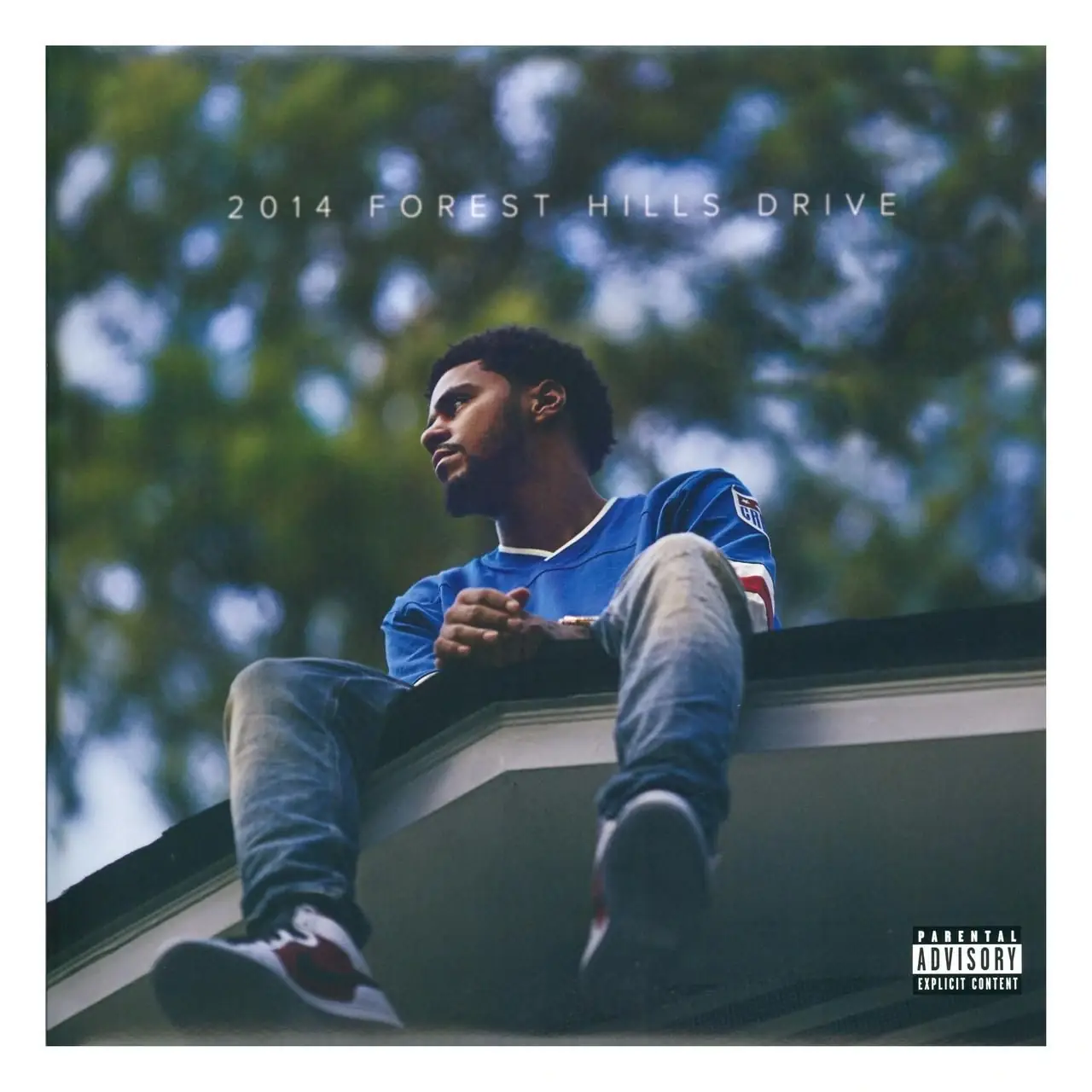
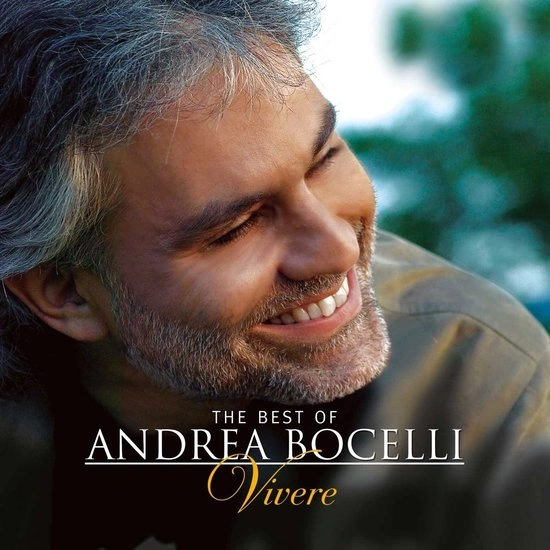
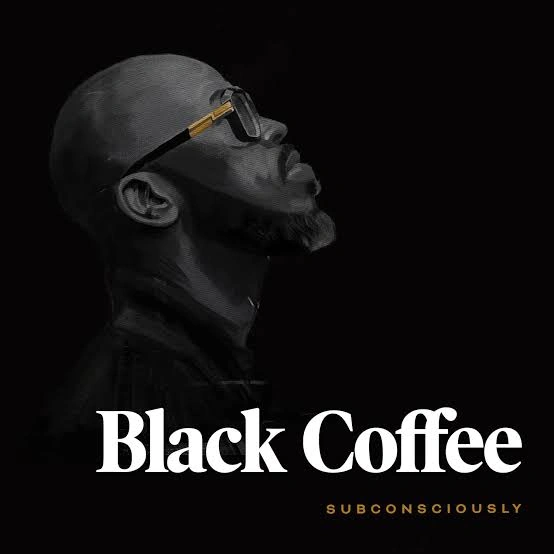
The playlist is in my plan. These covers are a few of the records behind it.

Music cover 1
Music cover 2
Music cover 3
Music cover 4
The idea

I Think Everyone Should Write One.

A business plan asks what you are building, why it matters, what could go wrong, and what you will do about it. I started asking the same questions of my own life.

I wrote the first plan in October 2020. I've kept rewriting it. The values have been more stable than the answers. The questions have narrowed.

“Leave a positive legacy on this earth. Help change lives. Help family and friends reach their goals.”

From my plans, 2020 to 2026.

Write one photo
The tool behind the page

Eight Questions. Revisit as Life Changes.

This is the compressed version of the exercise I keep doing myself. A life business plan does not need to be impressive. It needs to be honest enough to check against reality.

  1. What am I building, and for whom?
  2. What do I value, shown in what I actually do?
  3. What do I believe about the next ten years?
  4. What did I get wrong this year, and what do I do differently now?
  5. Who do I need, and who needs me?
  6. What will I stop doing?
  7. What would make me change course?
  8. What does a good day look like in five years?
Interest

Interest

Contact OA

Write to Freddie.

OA does not currently offer implementations or services. Use this for the technology, research, technical discussion, or Okren/investment context.

Okren is where this work is being built commercially. See Okren →
Freddie will also reply personally.
Email fallback

OA reads messages personally. No mailing list is created from this form.